It can likewise cause the skin to become stained, leading to age spots and other skin troubles. According to the Cleveland Facility, direct exposure to sunlight is in charge of approximately 90% of noticeable skin aging-- a process called photoaging. UV rays pass through the skin and straight damage cell DNA, increasing the break down of collagen and elastin.
Foods fried in oil at heats can generate complimentary radicals that damage skin cells. Exposure to complimentary radicals accelerates aging as a result of cross-linking responses. In addition, consuming way too much salt in fried foods can attract water out of the skin, bring about dehydration and making your skin more prone to creases.
This is the process that offers you a tan, which is really just your skin trying to obstruct the radiation from permeating your skin.
Topical retinoids can also increase the cell turn over rate, along with stimulating collagen production.
In really recent decades, scientists have attempted to neutralize aging making use of senotherapeutics that uniquely target senescent cells.
Lots of elements, including genetics, way of life selections, and environmental factors, can contribute to the very early indications of aging.
Signs of aging such as lines, wrinkles, dark spots, and drooping skin are triggered both by innate aspects such as genes, and extrinsic elements such as UV exposure, diet plan, and other way of life habits.
How Do Genes Affect Skin Aging?
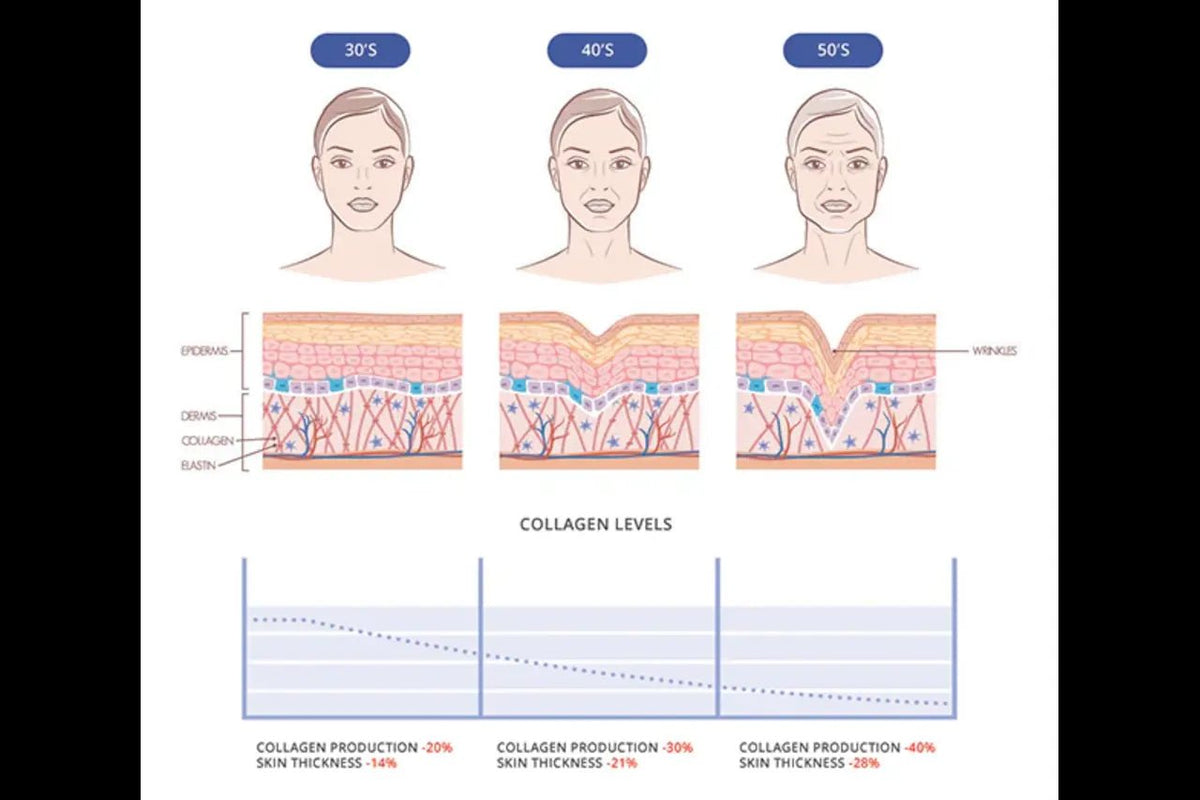
As we age, Click here for info the stem cells and fibroblasts that are in charge of creating collagen, elastin, heparan sulfate, and hyaluronic acid slowly end up being "careless" or underactive. Thus, our skin begins to generate fewer and less of these important parts, adding to lines, wrinkles, and thinning skin. Repetitive facial expressions Great post to read and face movements, such as squinting or grinning, causing fine lines and wrinkles.
Recognizing Inherent Vs Extrinsic Aging
Additionally, Chung et al. disclosed the potential anti-aging result of topical application of rapamycin (an mTOR prevention) (Chung et al., 2019). There are likewise age-related structural changes in the dermal elastic fibers. Flexible fiber networks are made up of elastin and fibrillin, developing an unique plan within the dermis. In photoaged skin, the oxytalan fibers undertake degeneration, and the flexible fibers of upper dermis are degraded by elastolytic enzymes including MMPs and neutrophil elastases (Bernstein et al., 1996; Naylor et al., 2011; Bonta et al., 2013).
Drinking Alcohol
Creases, great lines and pigmentation are unpreventable skin woes that typically look like we age. While we such as to put blame on getting another year older, the main wrongdoer is photoaging-- damages to the skin brought on by direct exposure to sunlight and ultraviolet (UV) light. In charge of 90 percent of noticeable changes to the skin, photoaging is a direct result of cumulative sun damages you've been revealed to throughout your life. And one day or an additional, everybody is faced with the aging of their skin aging of their skin. It is the repercussion of lowered manufacturing of collagen, elastin, and melanin. Indeed, starting around age 30, cellular revival slows down which reduces the skin's tonus. Lower quantities of melanocytes (the cells that generate melanin) cause abnormalities in skin pigmentation to appear.